News
Rejected Isn’t Unrecyclable: How to Recover Hard-to-Recycle Industrial Waste
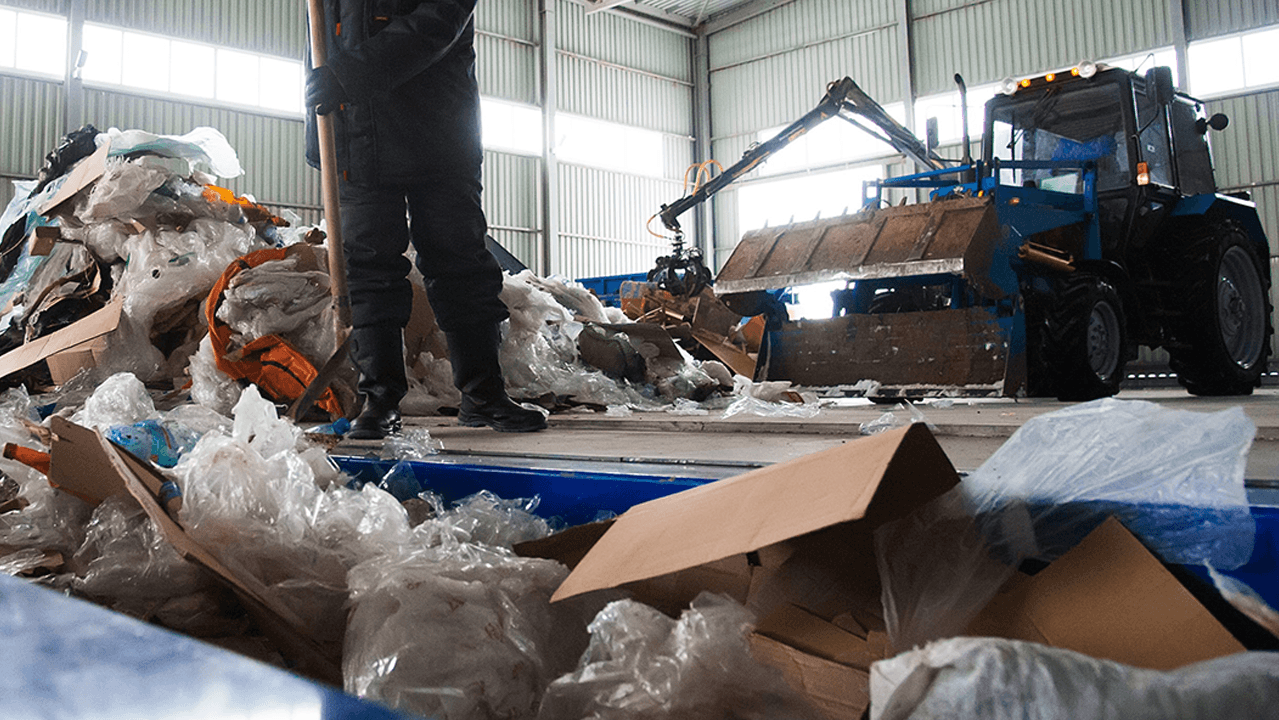
When a hauler or recycler rejects a load, most facilities treat that material as trash. In industrial waste streams, “rejected” is not the same as “unrecyclable.” It usually means the material does not fit a local specification. That distinction is where landfill costs climb and where a change in strategy is needed.
What makes a waste stream hard to recycle
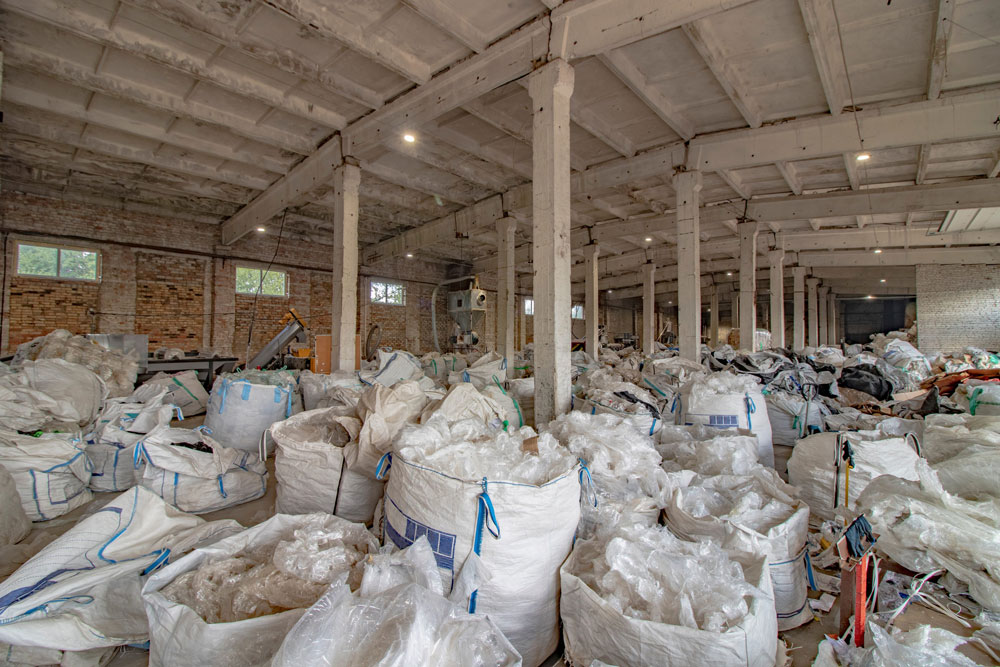 Logistics and economics close the loop. Lightweight films are expensive to move unless they are baled. Unusual or seasonal volumes may not justify a local processor. Recyclers also reject material when they lack the right equipment or end market—not because the material has no value anywhere. Minimum recycled-content laws have increased demand for plastic feedstock, but that demand is for consistent, documented streams, not mixed dumpsters.
Difficulty is rarely about a single resin code. It is about how the material is produced, how it is collected, and whether an outlet exists that can actually use it.
Contamination is the first barrier. Food residue, moisture, labels, adhesives, and mixed polymers can take an otherwise valuable stream and turn it into a rejected load.
Multi-material construction is the second. Laminated films, metalized snack packaging, coated papers, and labels with adhesives were designed for performance, not for easy separation. Mechanical recycling works best on clean, single-polymer material. When layers cannot be separated economically, traditional markets disappear.
How to deal with it
 Start with the stream, not the dumpster. An on-site review should identify what is being generated, where it is generated, and what is currently landfilled or rejected. From there, the work is practical:
• Separate at the source and keep material as clean and dry as possible.
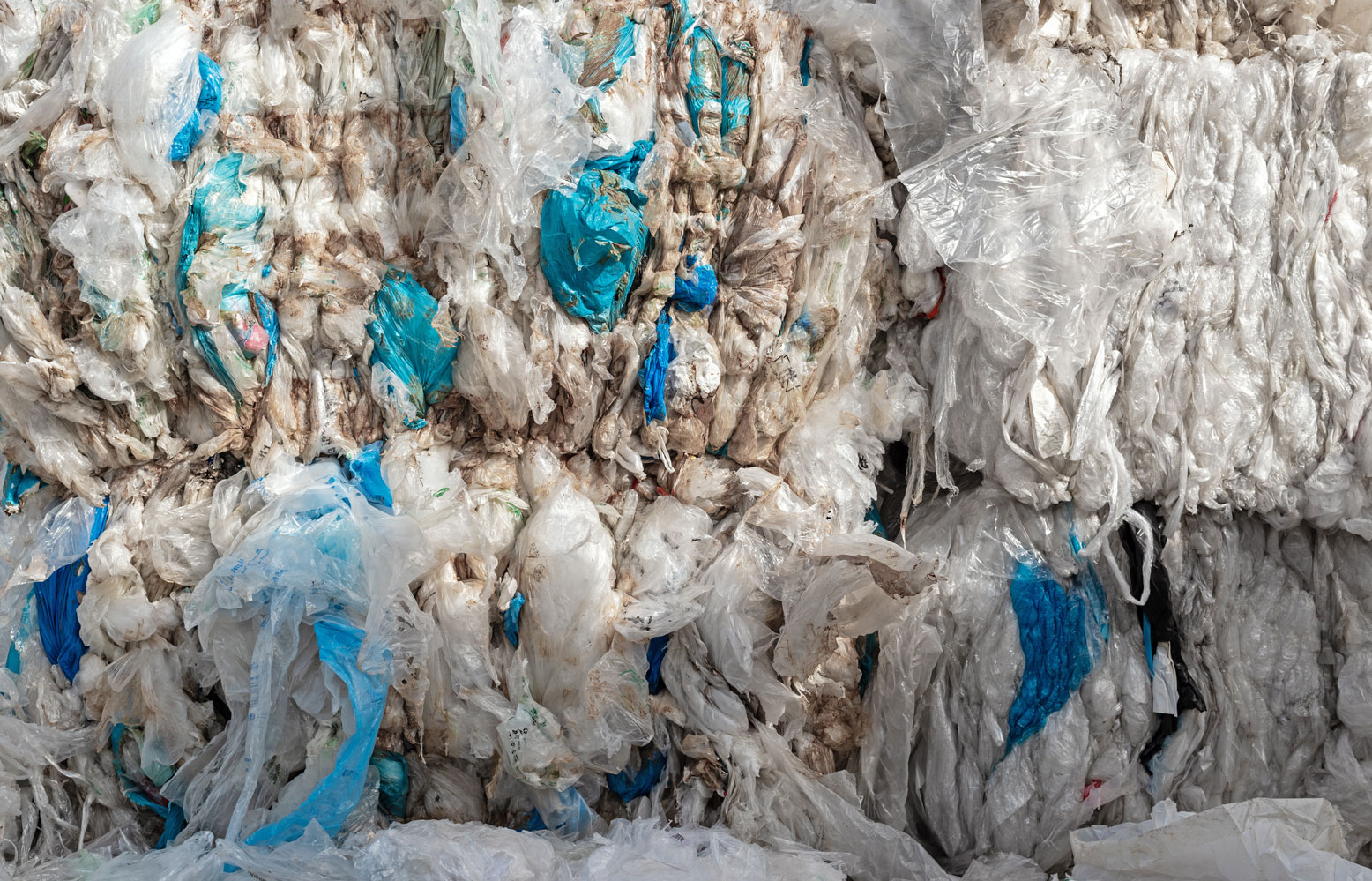
• Densify high-volume films and bags so transportation is viable.
• Match each stream to the right pathway—not one pathway for everything.
Stretch film is where that last step matters most. Many haulers still treat used film as contamination or landfill. Through customer partnerships, iSustain prioritizes moving collected stretch film to mechanical recycling facilities, where it is separated by color and PE resin type (HDPE, LLDPE, LDPE,) then washed and pelletized to be returned as circular, PCR PE resin. That resin pathway is the differentiator. Film another recycler might reject, downcycle, or bury can re-enter high-value plastic markets instead of stalling in a limited mechanical outlet. Other streams follow the same logic. Clean cardboard, metals, and many polypropylenes—including super sacks—often fit mechanical recycling.
The missing piece for most companies is the network. Hard-to-recycle streams need end markets, not just pickups. iSustain’s role is to analyze the waste, document the process, find the outlet, supply equipment when needed, and report the financial and diversion impact. Since our founding we have diverted more than 1.5 billion pounds of plastics, paper, metal, and food waste from landfills, including millions of pounds of plastic feedstock moved into advanced recycling each year.
If a recycler is rejecting part of your stream, that is a signal to look again—not a reason to keep paying to bury it. Hard-to-recycle does not mean no solution. It means the solution has to be designed.
Ready to review a rejected or high-cost stream?
Contact iSustain for a facilities review and a custom proposal that maps each material to a real outlet—mechanical, advanced, reuse, or energy—and shows the cost and sustainability impact.