News
Anaerobic Digesters: Turning Organic Waste Into Renewable Energy
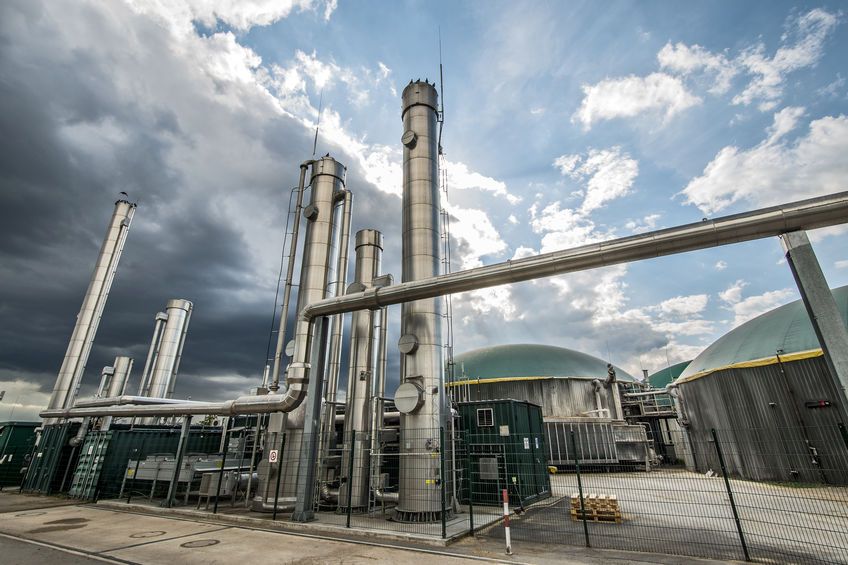
As businesses, municipalities, and agricultural operations look for smarter ways to reduce waste and emissions, the anaerobic digester has emerged as a proven, scalable sustainability solution. By converting organic waste into renewable energy and nutrient-rich byproducts, anaerobic digesters help close the loop between waste management and resource recovery.
Across the United States, this technology is gaining traction as organizations seek alternatives to landfilling, rising disposal costs, and fossil fuel dependence.
What Is an Anaerobic Digester?
An anaerobic digester is a sealed, oxygen-free system that breaks down organic materials using naturally occurring microorganisms. Common feedstocks include food waste, agricultural manure, biosolids, and industrial or municipal wastewater streams.
During the anaerobic digestion process, bacteria decompose organic matter in the absence of oxygen, producing two primary outputs:
- Biogas, a renewable energy source typically composed of 50–70% methane and 30–40% carbon dioxide
- Digestate, a nutrient-rich material that can be used as fertilizer or soil amendment
This process allows waste that would otherwise go to a landfill to be transformed into usable energy and valuable byproducts.
How Anaerobic Digestion Works
Anaerobic digestion occurs in four main biological stages:
- Hydrolysis – Complex organic materials are broken down into simpler compounds
- Acidogenesis – Microorganisms convert those compounds into volatile fatty acids
- Acetogenesis – Acids are converted into acetic acid, hydrogen, and carbon dioxide
- Methanogenesis – Methane-producing bacteria generate biogas
The result is a controlled, efficient system that stabilizes organic waste while capturing energy that would otherwise be lost as emissions.
Types of Anaerobic Digesters
There are several anaerobic digester designs, each suited to different waste streams and operational needs:
- Covered Anaerobic Lagoon Digesters: Large, lined lagoons sealed with flexible covers, commonly used in agricultural settings
- Plug Flow Digesters: Long, narrow concrete tanks ideal for dairy and livestock operations with thicker manure
- Complete Mix Digesters: Heated, enclosed tanks with mechanical or gas mixing systems, often used for industrial or municipal wastewater
- Dry Digesters: Vertical or silo-style systems designed for higher solids content, such as food waste and organics recycling programs
Each type supports the same goal: converting organic waste into energy and reusable materials.
What Are the Byproducts of an Anaerobic Digester?
Biogas
Biogas generated by an anaerobic digester can be used in multiple ways, including:
- Electricity generation
- Heat-only or combined heat and power (CHP) systems
- Upgrading to renewable natural gas (RNG)
- Transportation fuel
Digestate
The remaining digestate contains valuable nutrients and can be separated into liquid and solid fractions. Common uses include:
- Agricultural fertilizer
- Soil conditioning
- Livestock bedding materials
These byproducts help maximize resource recovery while minimizing waste.
Benefits of Anaerobic Digesters
Economic Benefits
- Converts waste management costs into revenue opportunities
- Supports job creation and infrastructure development
- Diversifies income streams for agricultural and industrial operations
- Can operate alongside composting and recycling programs
Waste Management Benefits
- Reduces landfill dependence
- Achieves high-efficiency organic waste decomposition
- Captures biogas instead of releasing methane into the atmosphere
- Decreases waste volume for transport or land application
Environmental Benefits
- Significant reduction in greenhouse gas emissions
- Odor and pathogen reduction
- Improved nutrient recycling
- Supports long-term sustainability and circular economy goals
Energy Benefits
- Produces renewable, low-carbon energy
- Reduces reliance on fossil fuels
- Supports energy independence at local and regional levels
Industries Using Anaerobic Digesters in the U.S.
Anaerobic digesters are widely used across multiple sectors, including:
- Agriculture and livestock operations
- Food and beverage manufacturing
- Municipal wastewater treatment facilities
- Organics recycling and food waste diversion programs
- Industrial facilities with organic byproducts
As regulatory pressure and sustainability expectations increase, adoption continues to grow nationwide.
Frequently Asked Questions About Anaerobic Digesters
What does an anaerobic digester do?
An anaerobic digester breaks down organic waste in an oxygen-free environment to produce renewable biogas and nutrient-rich digestate, reducing landfill waste and generating energy.
Is an anaerobic digester sustainable?
Yes. Anaerobic digesters reduce emissions, recover nutrients, minimize odors, and convert waste into usable energy, making them a highly sustainable waste management solution.
What is biogas used for?
Biogas can be used to generate electricity, provide heating, fuel combined heat and power systems, or be upgraded to renewable natural gas for pipelines or vehicles.
Where are anaerobic digesters commonly used?
Anaerobic digesters are commonly used across the United States in agricultural regions, manufacturing hubs, and municipalities managing organic waste streams.
Advancing Sustainability Through Anaerobic Digestion
Anaerobic digesters offer a practical, scalable solution for turning organic waste into renewable energy while supporting environmental and economic sustainability goals. As adoption expands across industries, this technology plays an increasingly important role in waste diversion, emissions reduction, and resource recovery.
iSustain partners with organizations implementing anaerobic digestion to support smarter waste management strategies, improve recycling outcomes, and help build more resilient, circular systems for the future.