Turf Recycling
Triton Group and TenCate Partnership
Up to 21 Million Pounds of Retired Turf Headed for Composite Railroad Ties
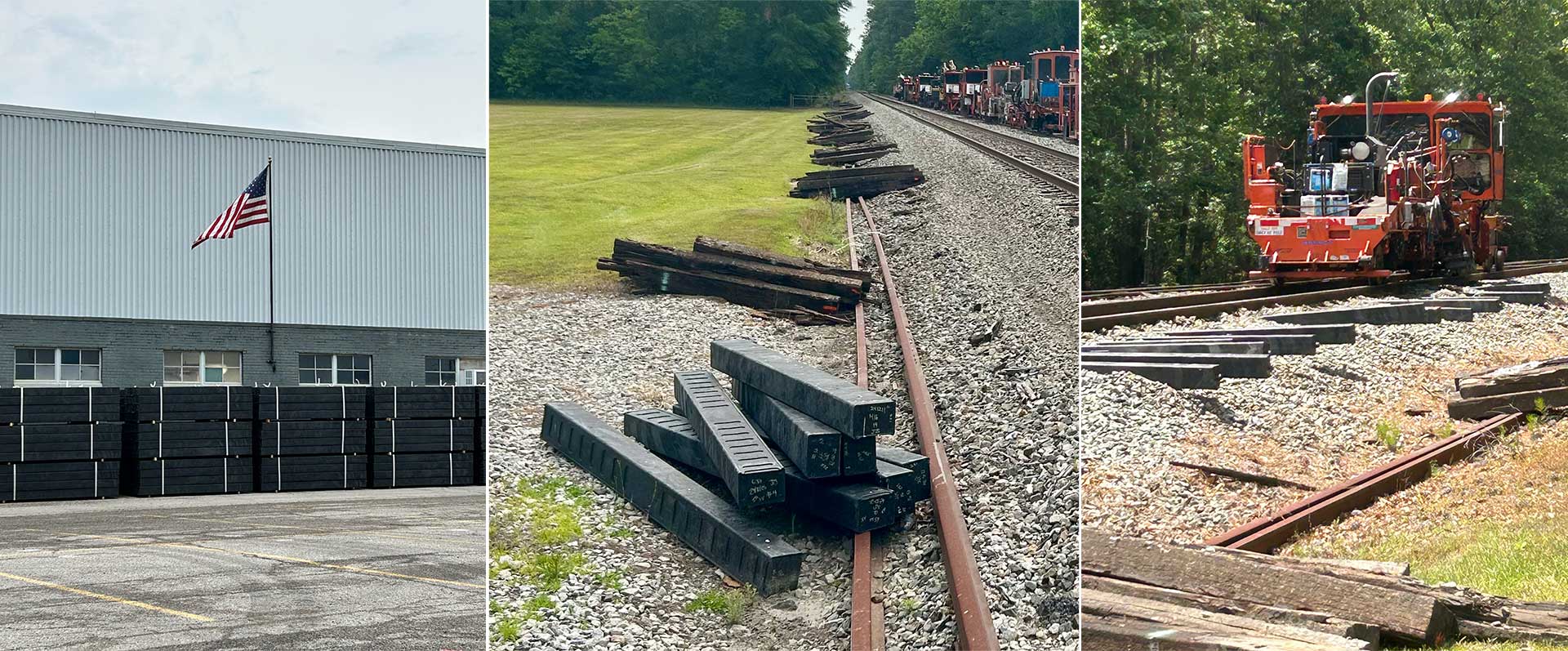
iSustain has brought together TenCate, which makes, distributes and installs synthetic turf systems in more than 40 countries, and Triton Group, the St. Louis company behind the Triton Tie composite railroad tie, in a new partnership that will turn plastic from retired turf fields into railroad ties. iSustain is a party to the agreement.
Under the partnership, Triton will build the capacity to process up to 350,000 pounds of recovered turf plastic each month. At full utilization, that comes to as much as 21 million pounds over five years, roughly the amount recovered from 600 to 800 turf fields and enough for more than 300,000 composite ties.
A Material That Needed a Market
Every synthetic turf field eventually gets replaced, and the old turf has to go somewhere. Recovering the plastic is only part of the job. Once the sand and rubber infill are separated out, the material still needs a buyer that can use it at scale. Without one, a recyclable material gets treated as waste.
“The problem in this industry has never been supply. It has always been demand,” said Greg Janson, President and CEO of Triton Group. “The Triton Tie creates the demand for challenging material like synthetic turf.”
Making the Connection
Matching hard-to-place materials with the companies that can use them is the core of iSustain’s work. TenCate needed a reliable outlet for the turf it recovers. Triton needed feedstock for a tie that meets or exceeds AREMA standards and is approved by all major U.S. railroads. iSustain saw the fit and brought the two companies to the table.
“Recycling works when recovered material has a reliable end market,” said Mark Huber, Vice President of iSustain. “We recognized the opportunity to connect TenCate’s recovered turf with Triton’s composite railroad ties. By bringing these companies together, we helped create a practical, scalable pathway that transforms a challenging material into durable infrastructure.”
How It Works
TenCate will recover material from retired fields, separate the sand and rubber infill from the turf, and bale the turf for shipment to Triton. Triton’s process then removes the remaining rubber, sand and backing and turns the plastic into clean polyethylene resin for the Triton Tie, a glass fiber-reinforced composite tie engineered as a one-for-one replacement for wood.
Triton is installing a new production line built for this material and is targeting April 1, 2027, to begin processing TenCate turf. “The turf comes to us at the end of its useful life on the field, and it leaves here as a railroad tie that will be in the track for decades,” Janson said.
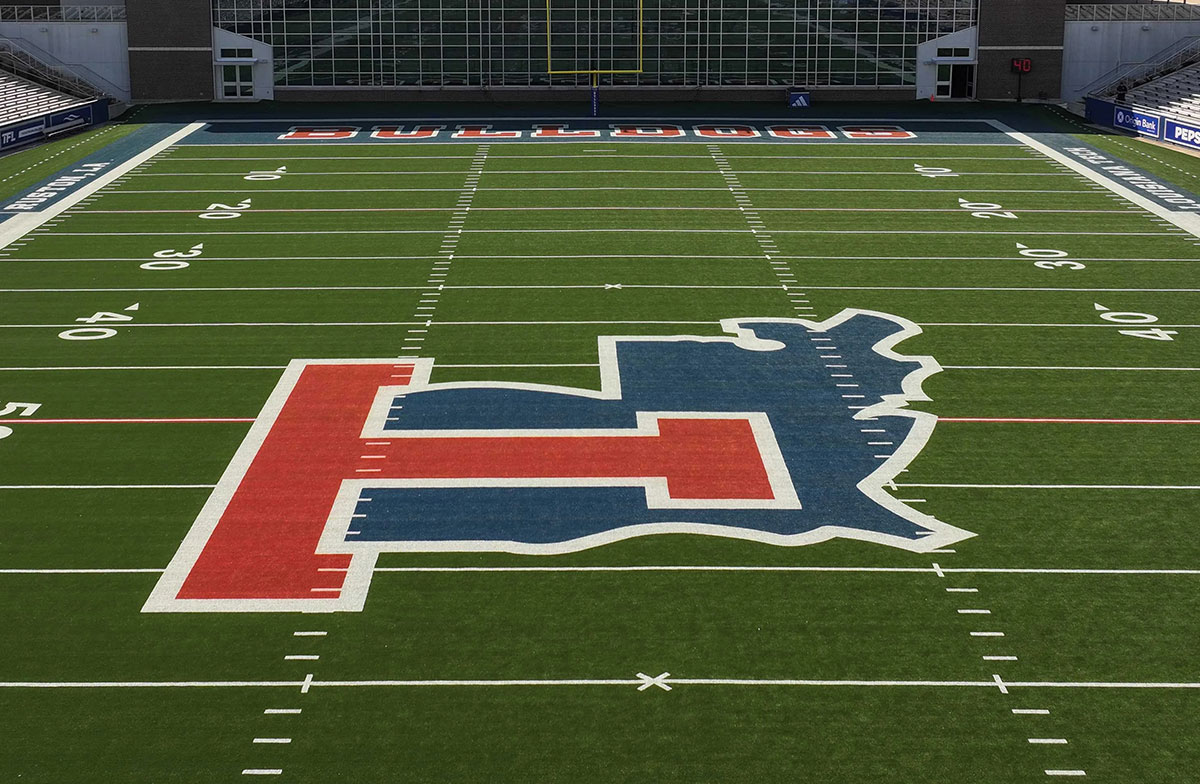 Courtesy of TenCate
What It Means Beyond the Field
Composite ties also remove the need for creosote, the chemical used to keep wood ties from decaying. At full processing capacity, replacing 300,000 wood ties with composites would avoid nearly 1 million gallons of creosote and keep about 75,000 hardwood trees standing.
For TenCate, the partnership adds another way to keep recovered material in use. “Every generation of turf should be better than the last, including what happens when it’s time to replace it,” said Joe Fields, CEO of TenCate Americas.
The partnership has already drawn industry attention, including coverage in Resource Recycling.
Finding the Market for Your Material
The turf partnership follows the same thinking behind the closed-loop stretch film program iSustain designed for Napa and Sonoma wineries, where used film is remanufactured into new film for the same wineries. In both cases, a material that looked like waste had value once it was matched with the right end use.
If your facility generates a material that haulers turn away, the missing piece may be a buyer that can use it. Our team can help you find it.